How does the immune system work?
The immune system is the set of mechanisms that allow the body to defend itself on a daily basis. It relies on physical barriers, such as the skin and mucous membranes, and on specialized cells, white blood cells and lymphocytes, which circulate in the blood and tissues. These natural defenses function continuously and rely on a regular intake of nutrients to remain operational.
Several factors put a strain on the resources of the immune system: seasonal changes, temporary fatigue, periods of prolonged stress, or an unbalanced diet. During these times, properly meeting your vitamin and mineral requirements ensures the necessary nutritional intake for the normal functioning of the immune system.
Why take a food supplement for immunity?
Modern diets do not always cover the recommended intakes of vitamin C, vitamin D, zinc, or iron. Cooking methods, food refining, and irregular consumption of fruits, vegetables, or seafood can widen the gap between real intake and nutritional needs.
An immunity food supplement helps to complete the nutritional intake, particularly for certain profiles:
- People experiencing temporary fatigue, whose needs for vitamin C or zinc may be higher;
- Seniors, whose needs can sometimes be more difficult to meet, especially for vitamin B12 and vitamin D;
- People with low sun exposure, who are often affected by insufficient vitamin D intake during winter;
- Pregnant women, whose needs change, can benefit from formulas adapted to pregnancy.
An adult immunity food supplement can also be integrated occasionally during periods when the immune system is under greater demand: at the approach of winter, during travel, or during periods of intense activity.
Which nutrients should you choose for your immunity?
Several vitamins and minerals have recognized health claims for their role in the normal functioning of the immune system.
Vitamin C: an immune system classic
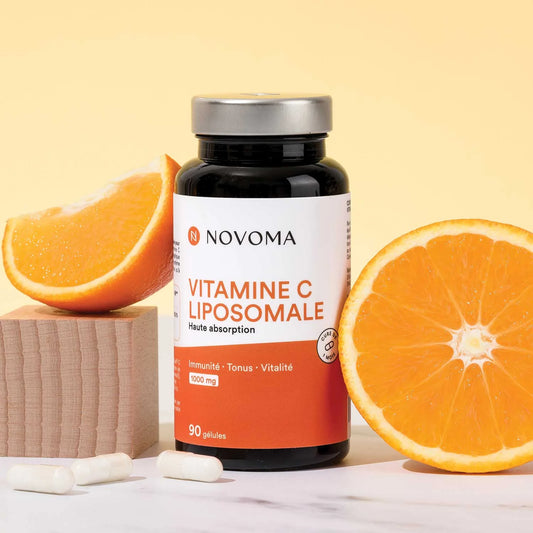
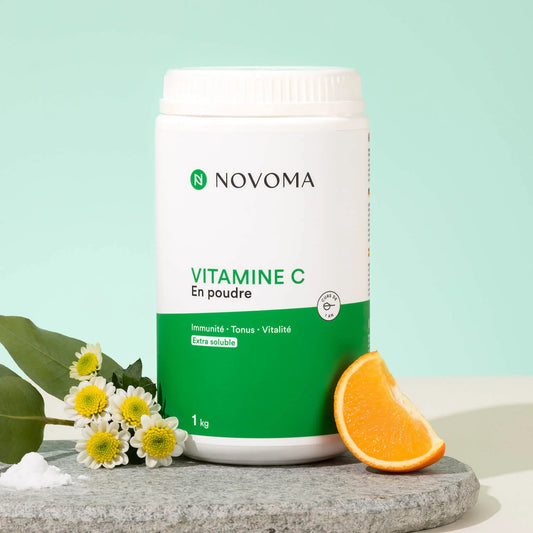
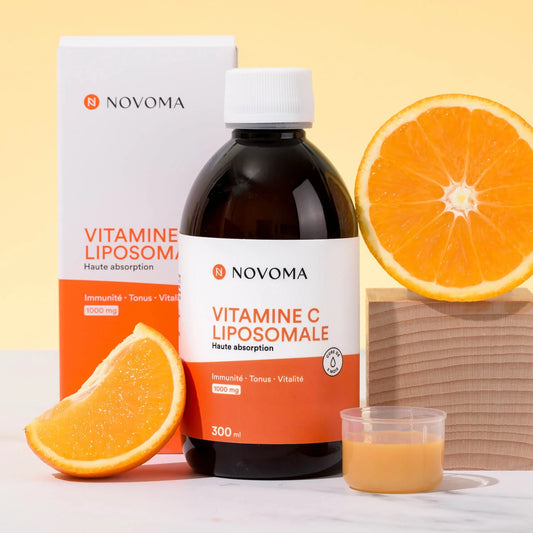
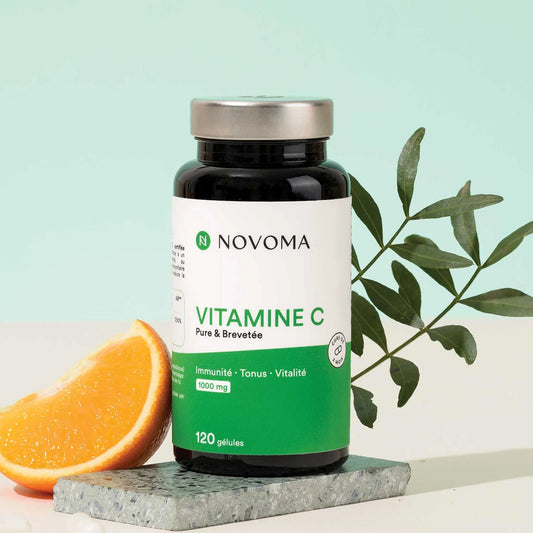
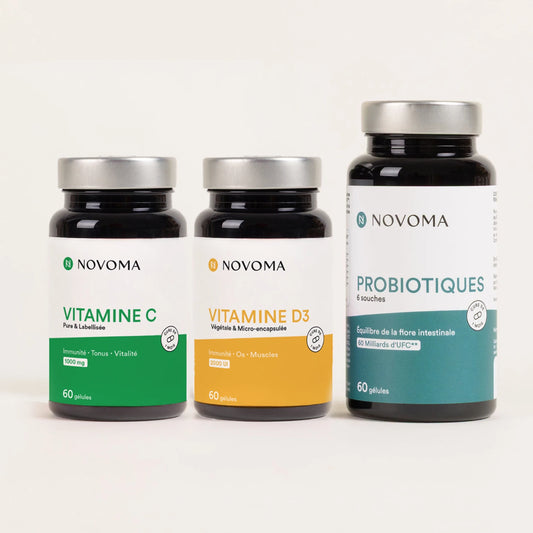
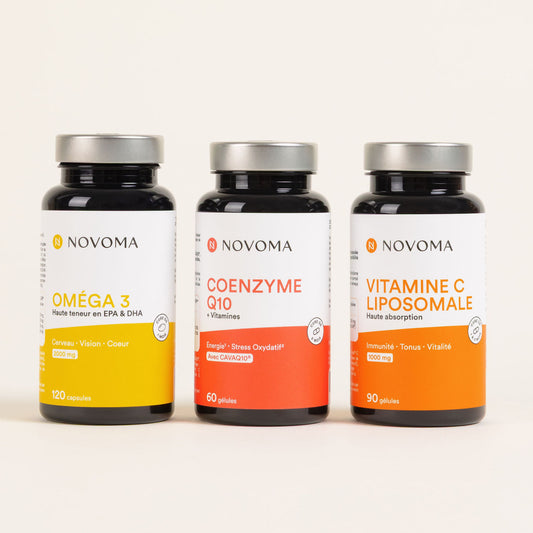
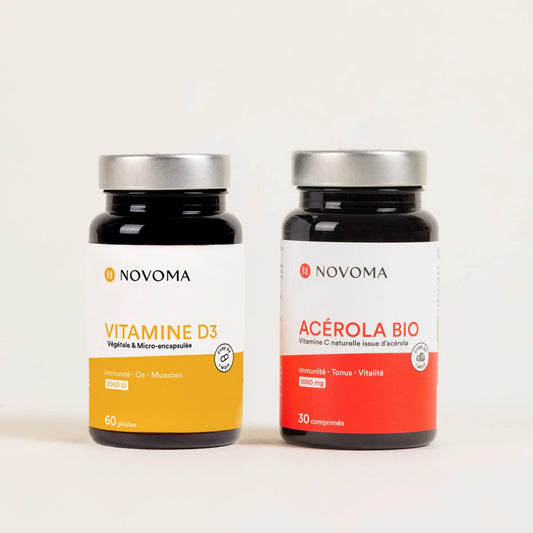
Recognized for contributing to the normal functioning of the immune system (1), vitamin C is a central active ingredient in immunity cures. Our liposomal vitamin C is the most bioavailable form in the range, thanks to its encapsulation which protects the active ingredient until it is absorbed. For those who prefer other formats, our vitamin C powder allows for more flexible dosing, while the Quali®-C capsules provide ultra-pure, certified vitamin C. Acerola is ideal for people looking for a natural source of vitamin C.
Vitamin D: essential, especially in winter
Dietary intake rarely meets vitamin D needs, and in mainland France, sun exposure remains insufficient from October to March according to ANSES (2). Our vitamin D3, in the form of cholecalciferol, corresponds to the form best absorbed by the body. It also contributes to the normal functioning of the immune system (1).
Zinc: a central mineral
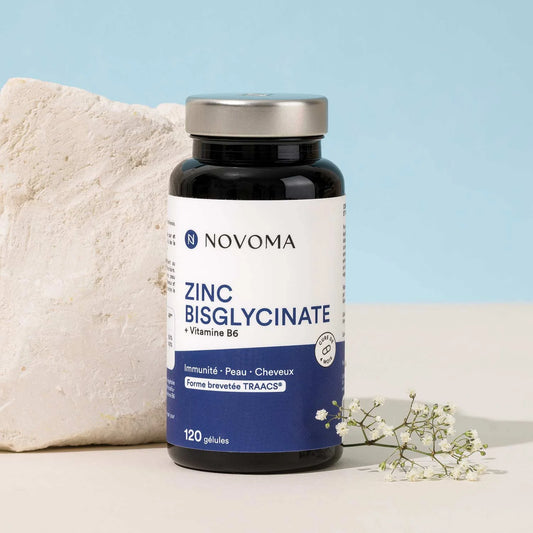
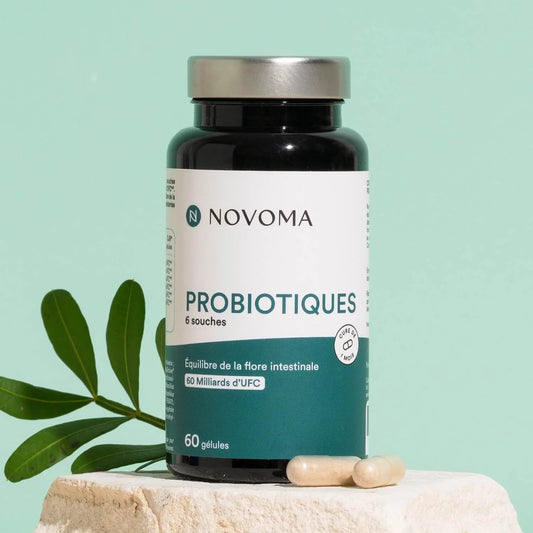
Zinc plays a key role in the activity of immune cells and thus contributes to the normal functioning of the immune system (1). Our zinc bisglycinate is a chelated form: the zinc is bound to two glycine molecules, which promotes its absorption and digestive tolerance compared to inorganic forms like zinc oxide, which are still widely used in standard formulas.
Iron and vitamin B12: not to be overlooked
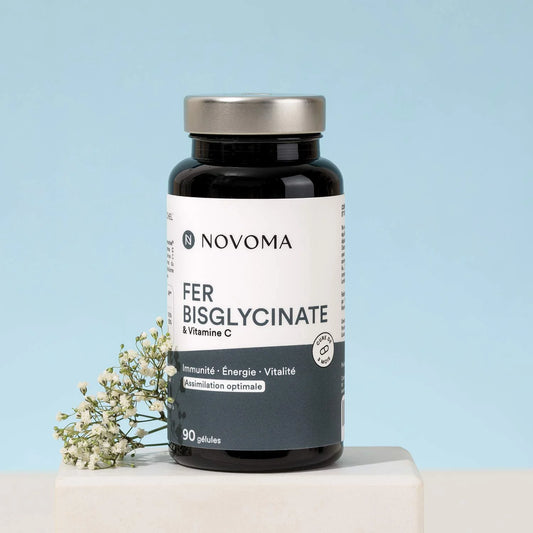
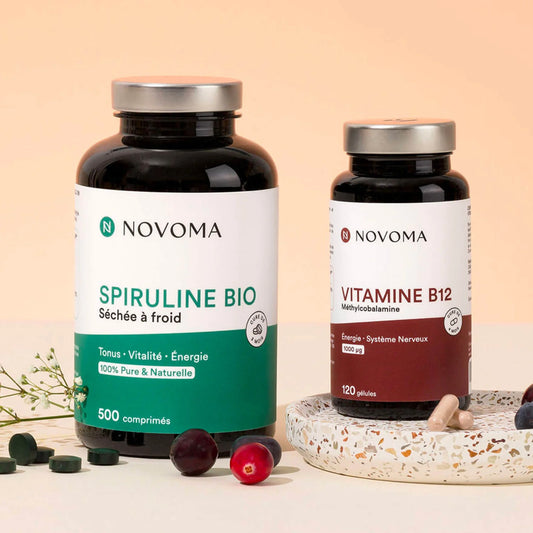
Iron and vitamin B12 are among the nutrients also recognized for contributing to the normal functioning of the immune system (1). They are of particular interest to vegetarians, vegans, and athletes, for whom iron or vitamin B12 needs can be harder to cover. Our Ferrochel® iron is a patented, highly well-tolerated bisglycinate form, and our vitamin B12 is offered as methylcobalamine, a bioactive form that can be directly used by the body.
How to choose the right immunity food supplement?
To choose the right immunity food supplement, start by identifying the relevant active ingredients for your needs, then look at their form, dosage, and formulation quality.
✓ Alignment with your needs
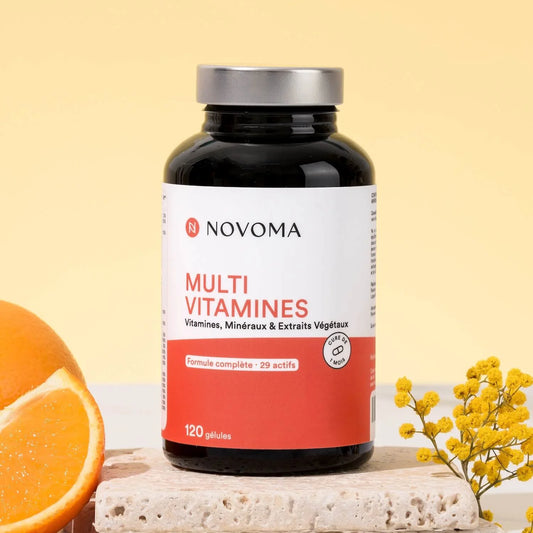
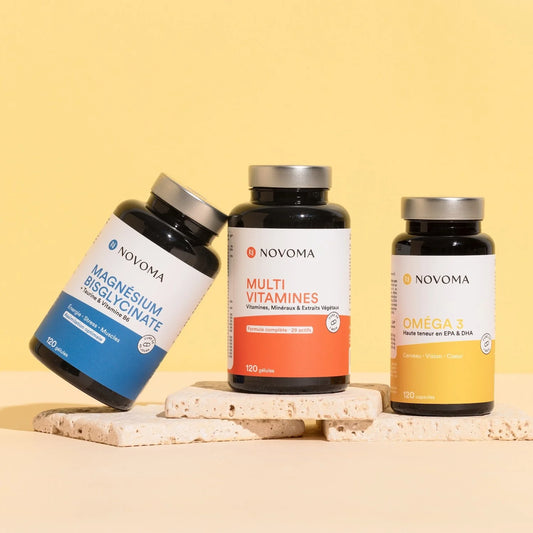
First, identify your need: this is the starting point to know which food supplement to take for immunity. For comprehensive coverage, our multivitamin formula may be more suitable. For a specific need, a well-dosed single active ingredient will be more relevant, such as vitamin D to get through the winter or B12 to complete the intake of vegetarian and vegan diets.
✓ Bioavailability of the chosen form
Always prioritize the best-absorbed forms: bisglycinate for zinc and iron, liposomal form for vitamin C, methylcobalamine for B12, and cholecalciferol for vitamin D.
✓ Relevancy of the dosage
Check the daily dose of each active ingredient: it must be clearly indicated and consistent with the recommended intakes, without proprietary blends that mask the actual contents.
✓ Purity of the formula
Rely on concrete indicators to evaluate the quality of a formula: French manufacturing, absence of controversial additives, GMOs, or gluten, and available certificates of analysis.
When should you do an immunity cure?
Certain periods are more favorable for an immunity cure: in September-October as winter approaches, during seasonal transitions, during a period of temporary fatigue, or after a phase of intense strain. The recommended duration is generally between 2 and 3 months, to be adjusted according to the active ingredient and your needs.
Why choose Novoma immunity food supplements?
Our immunity food supplements rely on patented or highly absorbable forms: Ferrochel® iron, zinc bisglycinate, vitamin B12 as methylcobalamine, vitamin D3 as cholecalciferol, and liposomal vitamin C.
This formulation choice makes a real difference compared to many formulas on the market, which still use poorly absorbed forms, such as zinc oxide or cyanocobalamin.
All our supplements are made in France following a clean-label approach: GMO-free, gluten-free, and without artificial colors or preservatives. Our certificates of analysis are viewable, and the traceability of our raw materials is ensured at every stage.
This commitment to quality guides all our work, from the selection of our raw materials to the finished product.
Precautions and warnings
Our immunity food supplement formulas are intended for adults, unless otherwise stated on the product sheets. Pregnant or breastfeeding women, people undergoing medical treatment—particularly for vitamin D, iron, or zinc—and individuals with specific medical histories must seek professional advice before any supplementation. Do not exceed the recommended daily doses indicated on the labels. If in doubt about potential contraindications, ask your doctor or pharmacist for advice. Food supplements are not a substitute for a varied and balanced diet or a healthy lifestyle.
Scientific references
- EFSA, Commission Regulation (EU) No 432/2012 of 16 May 2012 establishing a list of permitted health claims made on foods. https://eur-lex.europa.eu/legal-content/FR/TXT/HTML/?uri=CELEX:32012R0432
- ANSES. Les références nutritionnelles en vitamines et minéraux. https://www.anses.fr/fr/content/les-references-nutritionnelles-en-vitamines-et-mineraux
- Carr A.C., Maggini S. (2017). Vitamin C and Immune Function. Nutrients, 9(11):1211. https://pubmed.ncbi.nlm.nih.gov/29099763/
- Wessels I., Maywald M., Rink L. (2017). Zinc as a Gatekeeper of Immune Function. Nutrients, 9(12):1286. https://pubmed.ncbi.nlm.nih.gov/29186856/