







Why take a heart health supplement?
The heart works continuously, and its proper functioning partly relies on the quality of our nutritional intake.
Among these, Omega-3 fatty acids play a central role, as EPA and DHA contribute to normal heart function with just 250 mg per day (1). These fatty acids are mainly found in fatty fish. However, according to ANSES, nearly nine out of ten French people do not consume the two recommended weekly servings (2).
B vitamins also play an important role. Vitamin B1 contributes to normal heart function, while vitamins B6, B9, and B12 participate in the normal formation of red blood cells, which transport oxygen throughout the body (1).
A heart health supplement helps cover these nutritional needs when diet alone is insufficient.
What lifestyle should you adopt to maintain normal heart function?
Good cardiovascular health primarily depends on a balanced lifestyle. The goal isn't to change everything at once, but to gradually establish habits:
- A varied diet, rich in fatty fish, fruits, vegetables, oilseeds, and whole grains;
- Regular physical activity, such as walking, cycling, or swimming, for at least 30 minutes a day;
- Effective stress management, to limit repeated strain on the body;
- Quitting smoking and moderate alcohol consumption;
- Sufficient and restorative sleep, allowing the body to recover each night.
Supplementation comes next: a dietary supplement complements a healthy lifestyle, it never replaces it.
Who are heart health supplements for?
Our heart health supplements are for anyone wishing to support their heart function daily. Several profiles may be concerned:
- People who consume fatty fish less than twice a week;
- Vegetarians or vegans, whose intake of marine-derived EPA and DHA is almost zero;
- Seniors looking to maintain their heart function over the years;
- Athletes, whose hearts are more stressed during exertion;
- People experiencing a period of temporary fatigue.
In each of these situations, the goal remains the same: to supplement nutrient intake that diet does not always provide in sufficient quantities.
What active ingredients should you choose to support normal heart function?
To support normal heart function, three families of active ingredients are preferred: Omega-3 EPA and DHA, B vitamins, and antioxidants. Each with a very specific role.
Omega-3 EPA and DHA
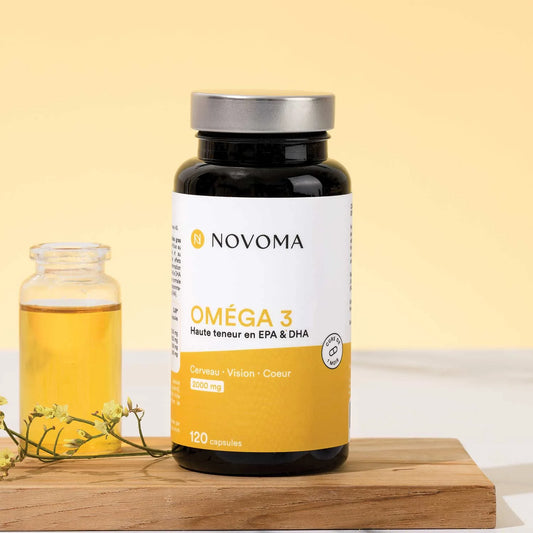
EPA and DHA contribute to normal heart function from 250 mg per day (1). This is the active ingredient most directly linked to the heart (3), provided a sufficient dosage is aimed for. Our Epax® Omega-3 delivers 800 mg of EPA and 600 mg of DHA per daily dose, totaling 1,400 mg, more than five times the efficacy threshold established by EFSA. To optimize their absorption, you can read our article on the best time to take your Omega-3s.
B Vitamins
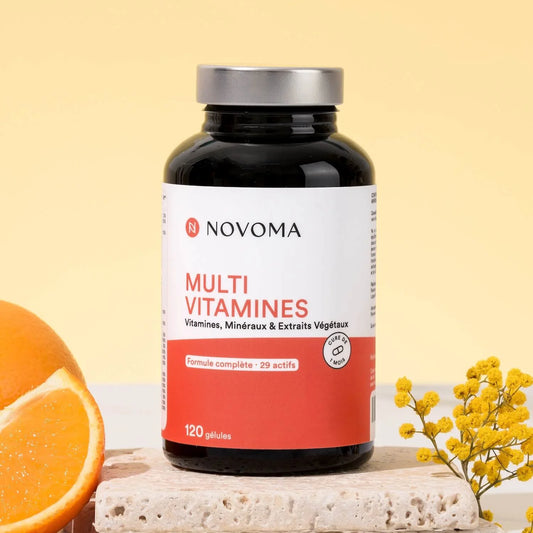
B vitamins support the body through complementary pathways. Vitamin B1 contributes to normal heart function, while vitamins B6, B9, and B12 participate in the normal formation of red blood cells, essential for oxygen transport in the body (1). Our Multivitamin combines 29 active ingredients, including thiamine (B1), B6, folate (B9), and B12, to supplement nutritional intake in a single daily dose.
Antioxidants (Vitamin C, Vitamin E, Selenium)
Vitamin C, vitamin E, and selenium contribute to protecting cells against oxidative stress (1), by neutralizing free radicals produced by the body. This cellular protection is part of a global cardiovascular approach, alongside Omega-3s and B vitamins. Our Quali®-C Liposomal Vitamin C provides a highly absorbable form of vitamin C, while the Multivitamin combines vitamin C, vitamin E, and selenium.
What foods should you favor to support your heart function?
To support normal heart function, nutrition remains the primary lever of action. Favor heart-healthy foods, rich in Omega-3s, fiber, vitamins, and antioxidants:
- Fatty fish, such as salmon, mackerel, sardines, or herring, are natural sources of EPA and DHA.
- Nuts, chia seeds, and flax seeds are rich in alpha-linolenic acid and minerals.
- Colorful fruits and vegetables, such as berries, spinach, or broccoli, provide vitamins and antioxidants.
- Whole grains, such as oats or quinoa, are beneficial for fiber and B vitamins.
- Legumes, such as lentils or chickpeas, are rich in folate and iron.
- Avocado provides unsaturated fatty acids and vitamin E.
By incorporating them regularly, you provide your body with the essential nutrients for normal heart function.
Why choose Novoma heart health supplements?
At Novoma, each formula is based on a simple principle: combining documented active ingredients, effective dosages, and quality forms.
✓ Labeled and patented active ingredients
Our requirement begins with the quality of raw materials. For our Omega-3s, for example, we chose the Epax® label, a global reference in fish oil. Thanks to its patented molecular distillation, Epax® oil is free from any contaminants. It is also Friend of the Sea® certified, a label that guarantees sustainable fishing. Finally, its low oxidation rate (Totox index below 3) demonstrates an excellent level of freshness and stability.
✓ Effective dosages
Our dosages are designed to meet efficacy thresholds. Our Epax® Omega-3, for example, provides 1,400 mg of EPA and DHA per daily dose, well beyond the EFSA threshold for contributing to normal heart function.
✓ Highly absorbable forms
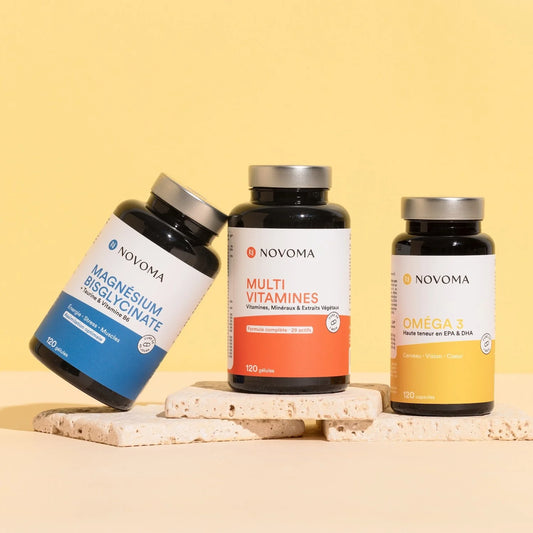
We prioritize the forms best absorbed by the body: bisglycinate for minerals, liposomal form for vitamin C, bioactive B vitamins in our Multivitamin, and triglyceride form for fish oil.
✓ French manufacturing, clean and transparent
All our supplements are manufactured in France according to strict quality standards. Our formulas are GMO-free, and free from artificial colors or preservatives. Each batch is subject to consultable analysis certificates for transparency.
Precautions and points of vigilance
Before starting a course of supplementation, keep in mind that a dietary supplement always acts as support: it does not replace a varied and balanced diet, a healthy lifestyle, or medical treatment. In the event of a diagnosed cardiovascular condition, consult your doctor beforehand. Do the same if you are on anticoagulant treatment, before taking any Omega-3, as interactions are possible at high doses. Pregnant or breastfeeding women should also seek advice before any supplementation. In all cases, do not exceed the recommended daily doses.
Frequently Asked Questions about heart health supplement
What is a heart supplement?
Why take a heart supplement?
Food supplements for the heart: for whom?
What foods are good for the heart?
How to take care of your cardiovascular health?
Can Heart Supplements Help Blood Circulation?



If you can't find the information you are looking for, please feel free to consult our FAQ or contact us:


